
Manage your body and get the most out of life today.
Remedial Massage, Sports Massage, Myofascial Release, Therapeutic Massage, Pre- and Post-Natal Massage, Cupping Therapy,
Remedial Massage, Sports Massage, Myofascial Release, Therapeutic Massage, Pre- and Post-Natal Massage, Cupping Therapy,

Cheewa Aroma Remedial Thai offers professional
Our highly trained Myotherapy and Remedial Massage Therapists in Hawthorn provide targeted, results-driven care to relieve musculoskeletal pain, reduce myofascial tension, improve mobility, and help you de-stress from busy lifestyles.
Myotherapy is an Allied Health practice focused on the assessment, treatment, and rehabilitation of musculoskeletal pain and dysfunction. It is effective for chronic work- or sports-related injuries, postural correction, symptom prevention, and returning you to optimal activity.
Treatment techniques may include: trigger point therapy, remedial massage, joint mobilisation, dry needling, cupping, stretching, corrective exercise, rehabilitation programs, and pain management.
At Cheewa Aroma Remedial Thai, our remedial and myotherapy-informed treatments may assist in the management of a wide range of musculoskeletal conditions, including:
Tennis Elbow
Sciatica
Lower Back Pain
Bulging Disc Injuries
Iliotibial Band (ITB) Syndrome
Shin Splints
Achilles Tendonitis
Shoulder Impingement Syndrome
Temporomandibular Joint Dysfunction (TMD / TMJ)
Muscle Strains and Tears
Rotator Cuff Tendonitis
Osteoarthritis
Plantar Fasciitis
Repetitive Strain Injury (RSI)
All treatments are individually tailored following a thorough assessment, with a focus on reducing pain, improving mobility, and supporting long-term recovery.
We improve your quality of life by focusing on the details. Your body is your best asset, and a healthy body requires all the parts to work.
What types of massage does our Cheewa Aroma Remedial Thai clinic offer?
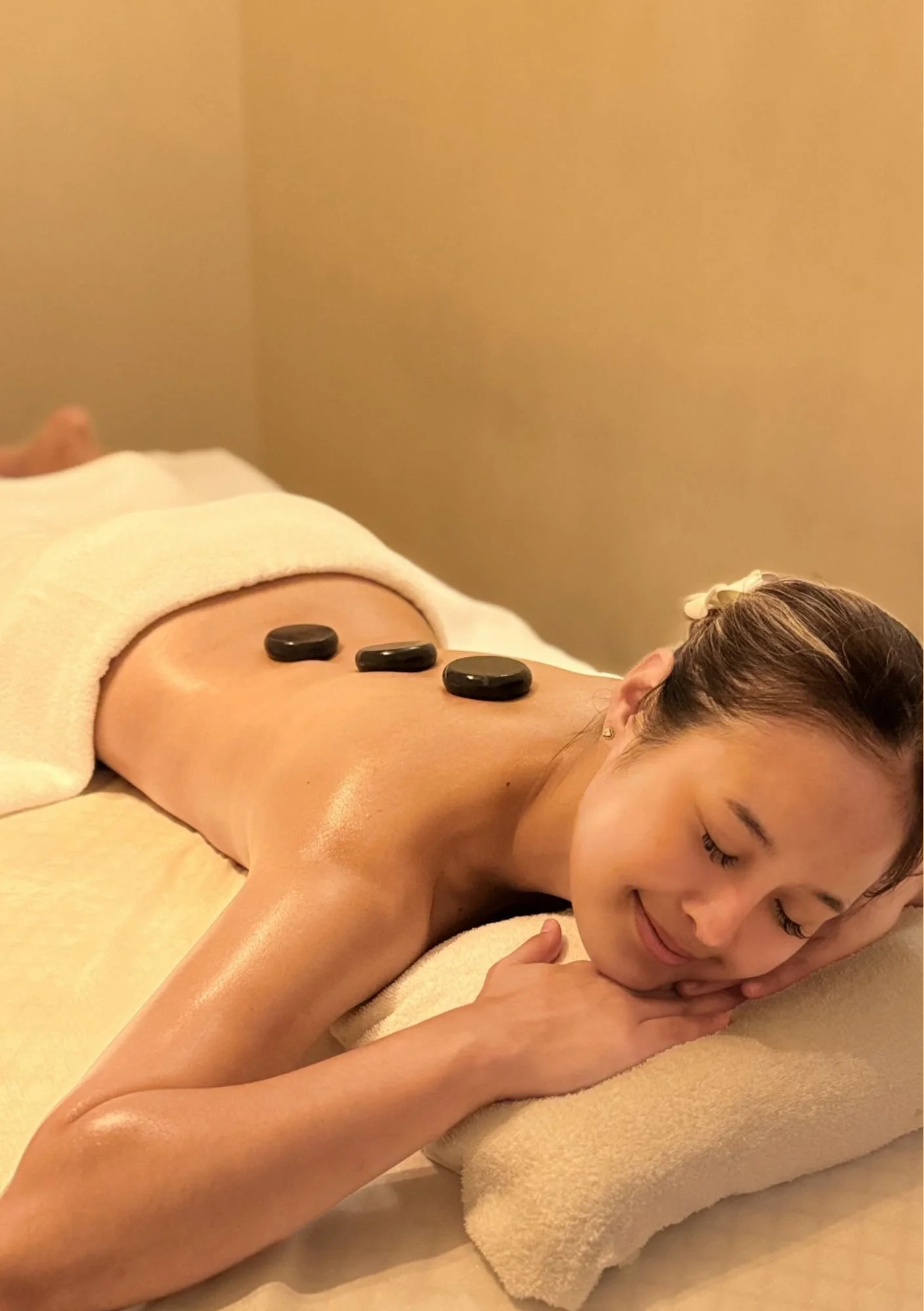
Massage & Body
“Massage that actually hits the right spots.”
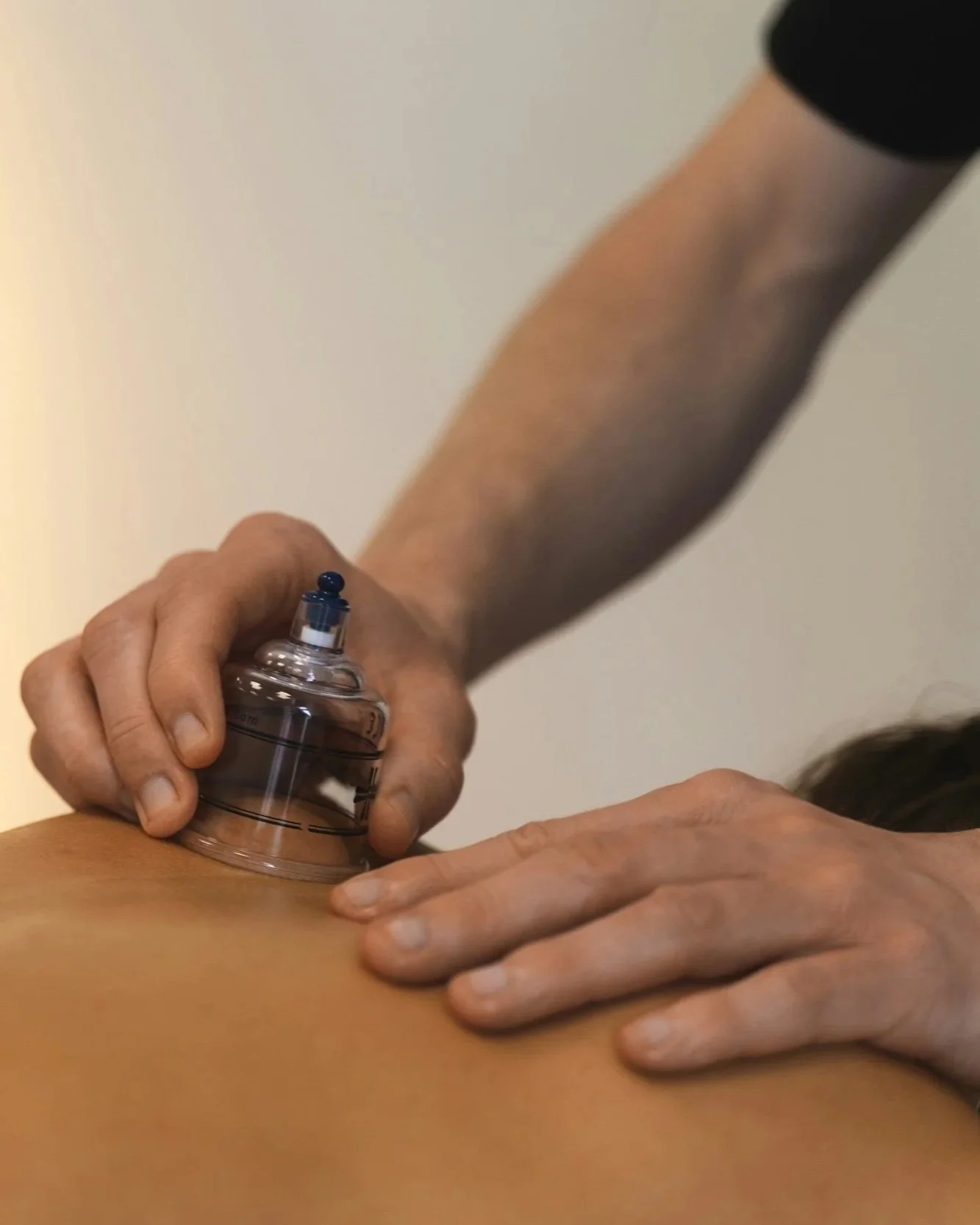
Treatments Add on
Assessment-based add-ons for optimal treatment results.
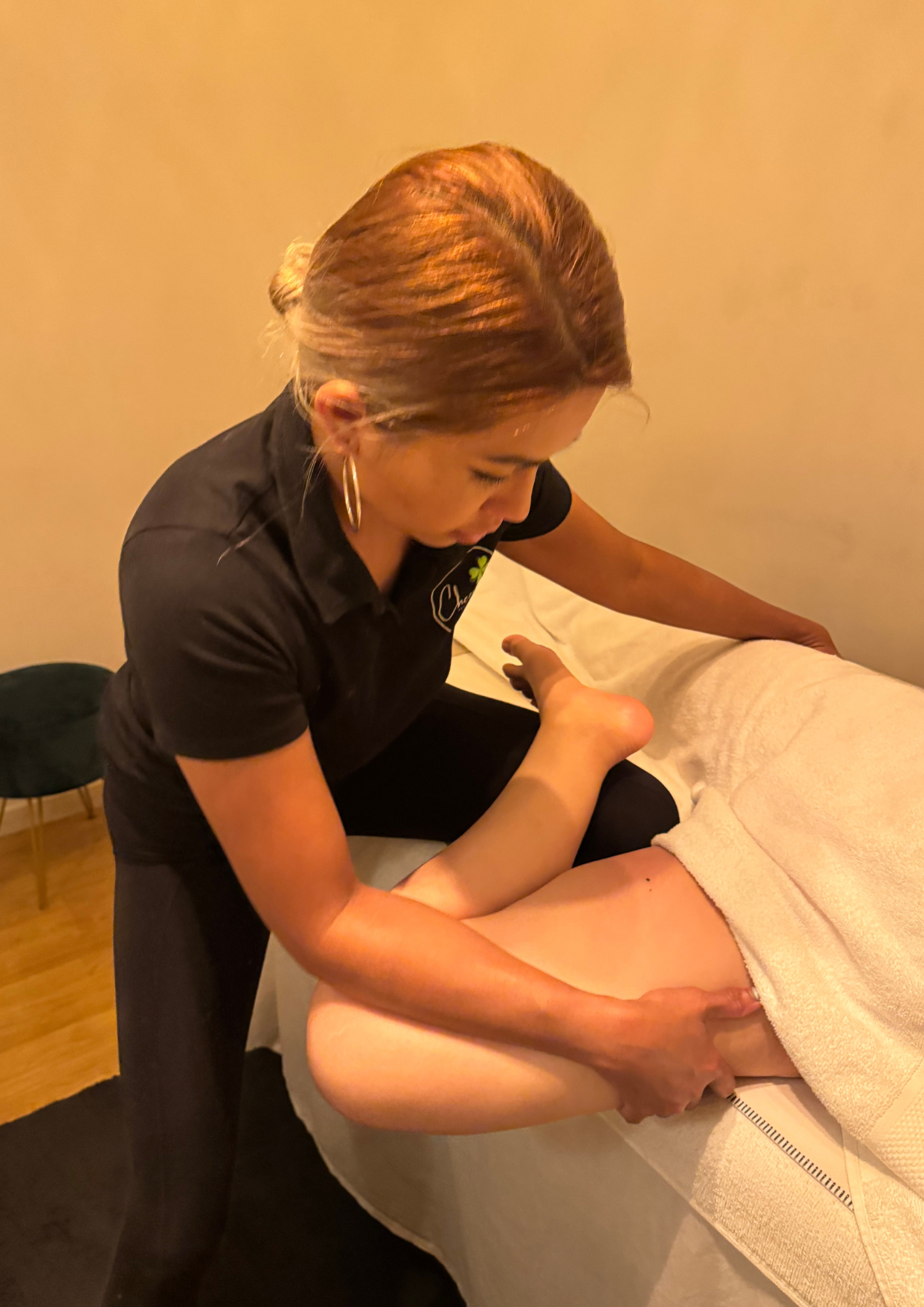
Wellness Treatments
“A therapist that hears where you want focus and delivers.”
Treatments Gift
The ideal present for someone you care about.

HICAPS – Fast Claims on the Spot
Instantly claim your private health insurance rebates with HICAPS.
Most health funds cover Remedial Massage and Myotherapy with our registered therapists.
✔ Claim processed on the spot
✔ You only pay the gap (if any)
✔ Just bring your health fund card
Please note: Private health insurance rebates cannot be used with Gift Vouchers.
Health Fund Rebates
Looking to bulk purchase gift vouchers for your workplace?
We can help you choose the perfect gifts that your team and customers will love.
Get in touch with us today for a discounted bulk-purchase price.
Workplace Wellness
Magnesium Oil, Cupping Therapy, Extra Strength Heat Cream, Physio Cream , Anti-Inflammatory Cream, The Volcanic Rock Unlimited (HOT STONE ), Magnesium Oil, L'occitane Almond Supple Skin Oil
Magnesium Oil, Cupping Therapy, Extra Strength Heat Cream, Physio Cream , Anti-Inflammatory Cream, The Volcanic Rock Unlimited (HOT STONE ), Magnesium Oil, L'occitane Almond Supple Skin Oil
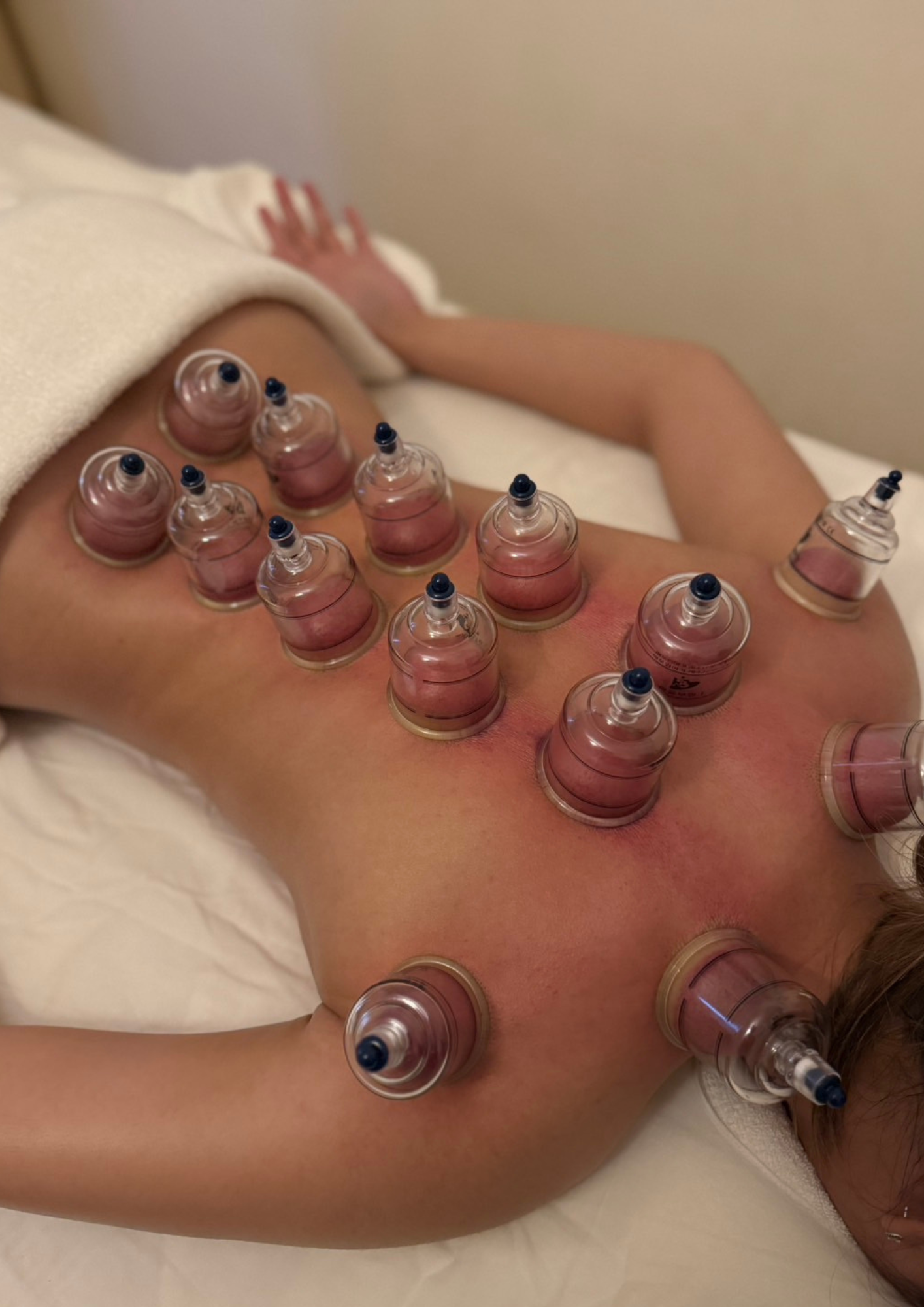
Treatment Add-Ons
Our treatment add-ons are designed to enhance clinical outcomes by providing targeted support to your primary therapy. By integrating advanced techniques, add-ons help reduce pain, improve mobility, and accelerate recovery, allowing your therapist to address specific musculoskeletal concerns more effectively.
These therapies are selected based on individual assessment and may support faster symptom relief, improved treatment efficiency, and longer-lasting results.
Hear from our guests

-
While the exact mechanisms behind trigger points are still being studied, researchers have proposed several theories about how they develop:
Muscle Overuse: Repetitive motions or sustained contractions can lead to localized areas of muscle tension. For example, hours spent hunched over a computer, lugging too-heavy bags home, or a long night's sleep - on a funky pillow.
Trauma: Acute injuries, or micro-trauma from poor posture and muscle compensation.
Stress: Psychological stress increases muscle tension, predisposing certain areas to knots.
Types of Trigger Points
Trigger points can be classified in several ways:
Active vs. Latent: Active trigger points cause spontaneous pain often felt as a throbbing ache or sudden, sharp pain. Latent trigger points only hurt when pressed.
Primary vs. Satellite: Primary trigger points develop independently and satellite trigger points form in response to stress in surrounding muscles stemming from the primary knots.
Central vs. Attachment: Central muscle knots are in the muscle belly and attachment knots are at muscle-tendon junctions.
Symptoms and Effects
Trigger points can cause a range of symptoms, including:
Localised pain and tenderness
Referred pain in other areas of the body
Muscle stiffness and reduced range of motion
Weakness in the affected muscle
Autonomic responses like sweating or goosebumps
-
There are so many different types of massage out there that when considering what kind of treatment is best for you it can become very confusing. Swedish massage, Thai massage, sports massage or hot stone treatments, there are many more types of massage out there than we can keep track of. So here is the difference between two of the more popular types of massage chosen by people who are looking to maximise the benefit of their treatments; remedial and deep tissue massage.
What is deep tissue massage?
Deep tissue massage is similar to Swedish massage in that it focuses on setting a rhythm and using flowing strokes to apply pressure to muscles throughout the whole body. The main difference between deep tissue massage and Swedish massage is that deep tissue massage uses more pressure to push deeper into the muscle. This added pressure can be a little uncomfortable for some but is often described as a “good pain” by fans of the technique. This added edge enhances the therapeutic benefits of the massage, reduces tension throughout the body and helps patients recover from exercise and injuries. The overall effect of the deep tissue massage is a relaxing, whole-body treatment.
What is remedial massage?
While often mistaken for deep tissue massage, remedial massage is intended as a more targeted treatment for pain and injury. Therapists that employ remedial massage are required to study for longer than many of their colleagues and must thoroughly understand the way the body works and the tissues that they are treating. While deep tissue massage is a whole-body treatment, remedial massage focuses on parts of the body that requires rehabilitation. Remedial massage first starts with a review of the muscles, ligaments, tendons and posture. Once the therapist understands the issues causing the injury or pain they will then perform a targeted massage of the area. While deep tissue massage requires firm pressure, the pressure used during the remedial massage will vary depending on what is best for treating the specific issue. Finally, remedial massage is done with a goal in mind, like treating a knee, shoulder or back injury. This means that it will often be done over a series of sessions, where the therapist is constantly assessing the state of the patient and noting any improvements or deterioration. This allows them to adjust their treatment and give their patient the best possible chance of recovery.
Is remedial massage or deep tissue better for you?
It depends on the goal. Consider it this way; a remedial therapist is like a detective who finds the root cause of your pain, while a deep tissue therapist is more of a construction worker using force to tackle the issue.
Imagine a client comes to you with a shoulder injury. Sure, a deep tissue massage feels great, but it’s not laser-focused on the inner workings of the shoulder in the same way that remedial massage is. As a remedial therapist, you’ll focus on the nitty-gritty details of joints, ligaments, and muscles to find the cause, help with pain relief and guide your client’s recovery.
Everybody is different and requires a specific treatment depending on what issues are salient in their muscles, tendons and ligaments.
Deep tissue massage is best for people who want a whole-body experience and the therapeutic benefit of firm pressure. It is a strong and relaxing massage that helps release muscle tension and enhance recovery from physical exercise.
Remedial massage on the other hand is a targeted treatment that identifies specific issues in the body and then uses expert massage techniques to treat them. It is perfect for those with chronic pain or injuries that require specialist treatment.
-
Swedish Massage: The Foundation of Pain Relief
Swedish massage, often heralded as the cornerstone of therapeutic massage, is as versatile as it is relaxing. Through a harmonious blend of kneading, long strokes, and gentle rhythmic tapping, this technique not only eases muscle tension but also significantly improves blood circulation. The brilliance of Swedish massage lies in its adaptability, offering a tailored experience that ranges from light to firm pressure, making it an ideal starting point for anyone new to the realm of pain relief massage.
The underlying philosophy of Swedish massage — to enhance the body’s natural restorative powers — resonates deeply with those seeking a reprieve from day-to-day stressors. By stimulating the body’s lymphatic system, it plays a crucial role in detoxifying the body, thus empowering it to heal and maintain a state of balance.
Deep Tissue Massage: Targeting Deep-Seated Pain
For those plagued by chronic muscle pain or recovering from injury, deep tissue massage offers a beacon of hope. Diving deeper than the typical massage, this technique focuses on realigning layers of muscles and connective tissue. By applying slow, concentrated strokes and targeted pressure, it reaches the root of discomfort, offering profound and often immediate relief.
The beauty of deep tissue massage lies in its ability to break down knots and release tightness, providing not just temporary relief but promoting lasting healing. It’s a powerful ally in combatting repetitive stress injuries, posture problems, and the chronic pain that stems from tension.
Hot Stone Therapy: Soothing Pain with Warmth
Hot stone therapy elevates the massage experience by introducing warmed stones as an extension of the therapist’s hands. Placed on key points of the body, these stones work to melt away tension, easing muscle stiffness and increasing circulation. The heat from the stones penetrates deep into the muscles, providing a soothing and therapeutic experience that is particularly beneficial for those suffering from arthritis or other forms of joint pain.
Trigger Point Therapy: Alleviating Localised Pain Points
Trigger point therapy is akin to a detective solving the mystery of chronic pain. By identifying and applying pressure to trigger points — specific areas within muscle tissue that cause pain in other parts of the body — this technique can alleviate discomfort and enhance muscle function. It’s particularly effective for those with overused muscles, providing relief that can improve flexibility and range of movement.
Shiatsu Massage: Healing with Pressure
Shiatsu, a form of Japanese bodywork that emphasises pressure applied with thumbs, elbows, and knees, embraces the principle of balancing the body’s energy flow. By targeting specific acupressure points, shiatsu aims to release blockages and restore energy balance throughout the body. This method is deeply relaxing and can be particularly helpful in reducing stress, anxiety, and tension headaches, catering to both the physical and emotional components of pain.
Reflexology: Full-Body Relief through Your Feet
Reflexology operates on the premise that specific points on the feet and hands correspond with different organs and systems of the body. By applying pressure to these points, reflexology aims to promote health in the related areas and encourage overall wellness. It’s a gentle approach that can be particularly soothing for individuals experiencing stress-related conditions and chronic pains.
Thai Massage: Stretching Away the Pain
Thai massage, often described as assisted yoga, combines acupressure, Indian Ayurvedic principles, and assisted yoga postures for a holistic experience. This dynamic approach not only targets sore muscles but also improves flexibility, reduces tension, and enhances energy levels. It’s a rigorous yet highly beneficial technique for those looking to address both physical and mental stressors.
Sports Massage: Relief for Athletes
Sports massage is tailored to the needs of athletes and those with similar physical demands. By focusing on areas of the body that are overused and stressed from repetitive and often aggressive movements, it helps to prevent injuries, alleviate swelling, reduce muscle tension, and improve flexibility and performance. Whether you’re a professional athlete or a weekend warrior, sports massage can be a crucial part of your recovery and maintenance program.
Aromatherapy Massage: Engaging the Senses for Pain Relief
Aromatherapy massage combines the physical benefits of massage with the therapeutic properties of essential oils to enhance psychological and physical well-being. The selection of oils can be tailored to address specific concerns, whether it’s stress, headache, or muscle pain, making each session a uniquely soothing experience. Beyond its ability to relieve pain, aromatherapy massage is a journey into relaxation that nurtures both mind and spirit.
-
You probably know what muscle knots feel like - those painful, crunchy little nodules under your fingers when you massage your achy shoulders. Have you ever wondered what muscle knots actually are, how exactly they form, and how you can get rid of the pesky little buggers? You're not alone. Wander into a roomful of bodyworkers and ask them what question they get asked over and over (and over), and I guarantee almost all of them will say: Do your hands get tired? Followed by: Am I a total mess?? And, finally: What exactly is a muscle knot, anyway?
So, let's dive in and find out what muscle knots are, how they form, and what we can do to prevent them.
What is a Muscle Knot?
The first thing to know is that Muscle knot is a colloquialism for myofascial trigger point or just trigger point. But ask a person if they have any myofascial trigger points, and you might get a blank stare.
A trigger point is a hyper-irritable spot within a taut band of muscle. They can cause localized or referred pain - pain felt right where the knot is or in another part of the body. They're typically small and can felt as a nodule or bump within the muscle tissue. Some people name them, like: "the boss" or "my teenager."
Research into the exact nature and function of trigger points is ongoing, but what we do know is that a knot is a bundle of muscle fibers stuck in a contracted state and that this sustained muscle contraction at the site of a trigger point compresses local blood supply, leading to an energy crisis in that area (fatigue).
Diagnosing and Assessing Trigger Points
There's no definitive test for muscle knots and healthcare providers typically rely on palpation, patient history, and exclusion of other potential causes of pain. Usually, a provider will suggest treatment for muscle knots as a first step to managing moderate pain of unknown origin and move to imaging and other testing if the pain doesn't resolve.
Treating Trigger Points
There are various approaches to treating trigger points. The most effective and efficient treatment usually combines two or more of the following and can take time to resolve.
Manual Therapy: Techniques like deep tissue massage, myofascial release, and trigger point therapy can help alleviate pain and tension by targeting specific trigger points. A practitioner skilled in working with trigger points can recognise familiar referral patterns and hone in on the precise area that needs to be treated. But even a general relaxation massage can go a long way to encourage muscle fibres to let go. These therapies often include some stretching which further facilitates softening and relaxing the muscle the affected muscle fiberes. At-home massage techniques with a foam roller, tennis ball, or massage gun can also be effective.
Dry Needling: This involves inserting thin needles into trigger points to elicit a local twitch response and promote relaxation. Dry needling can be performed by acupuncturists, physical therapists, and some qualified massage therapists. Always be sure to ask about a practitioner's qualifications.
Stretching and Exercise: Gentle stretching and specific exercises can help improve muscle flexibility and strength. Strengthening is an important part of treatment because often we develop knots in a muscle from overuse and strain due to weaknesses or restrictions.
Heat and Cold Therapy: Applying heat or cold can help reduce pain and muscle tension. Ice application constricts the blood vessels and reduces inflammation in the tissues. Heat application encourages fresh and healthy oxygen-rich blood to rush back into the tissue, promoting healing. Ice also acts as a natural analgesic, numbing the source of pain, and is an excellent first choice.
Medications: Pain relievers, muscle relaxants, or topical treatments may be prescribed in some cases. It is important to note that pain relievers (including ice) often provide only temporary relief however sometimes a period of relief from pain is enough to halt the pain-spasm-pain cycle allowing you to pinpoint the precise area that needs to be addressed.
Prevention Strategies
While it's not always possible to prevent trigger points entirely, several strategies can help reduce their occurrence and severity:
Maintain good posture
Create an ergonomic work area
Take regular breaks during repetitive activities
Stay hydrated and maintain a balanced diet
Engage in regular strength training and stretching
Avoid overloading your muscles
Utilise proper lifting and carrying techniques
Manage overall lifestyle stress
Limit phone scrolling
Get adequate sleep
-
Knowing exactly what you're looking to achieve from your massage session and clearly communicating this to your therapist greatly improves your experience on the table and increases your outcome.
Work with a skilled and flexible therapist that you feel comfortable communicating with and never be afraid to state your needs or request a change from your usual session if you sense your body requires something different than the work you usually get. If a therapist doesn't have the skills, tools or techniques to meet your goals, that's ok too.
Clear communication means you won't be left guessing and next time you'll know to seek out a different provider for that specific goal.
Got questions?
We have the answers.

~ Opening Hours: Mon - Fri 10.00 am - 08.00 pm ~~ Sat-Sun 10.00 am - 09.00 pm
~ Opening Hours: Mon - Fri 10.00 am - 08.00 pm ~~ Sat-Sun 10.00 am - 09.00 pm